
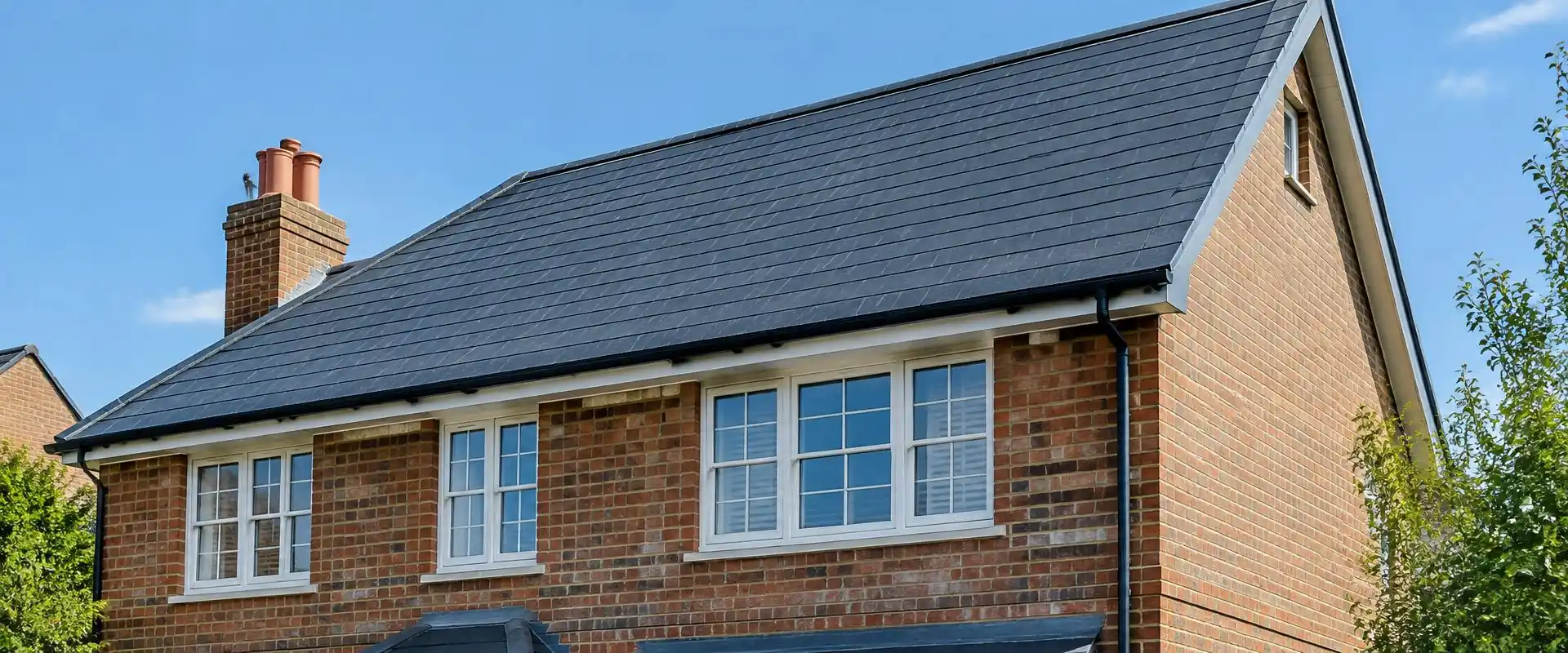
Why heritage roofing is different
A listed building is protected because of its special architectural or historic interest, and that protection usually extends to the roof as much as the façade. Works that would be routine on an ordinary house, such as swapping a damaged clay tile for a modern equivalent or repointing a chimney in cement, can be unsuitable on a listed or period property, and in some cases may not be allowed at all without the right consent.
The aim on these roofs is generally to repair like for like, using materials and techniques that match what is already there, rather than modernising the roof in the process.
Listed building consent and conservation areas
If your property is listed, many works to the roof may need listed building consent from your local authority before they start, even for repairs. Homes in a conservation area may have fewer restrictions but can still be subject to local planning rules, particularly for visible changes such as roof windows or a different tile profile. Ask your local planning department whether the particular proposal needs consent before commissioning work. Listing and conservation-area controls are different, so describe both the property and the proposed alterations.
Matching materials
Period roofs are often covered in clay plain tiles, natural slate, or in some cases materials such as thatch or stone slate, laid in patterns and sizes that are specific to the building and the local area. Where a repair is needed, matching the existing tile size, colour, texture and laying pattern matters, both for appearance and because mismatched materials can affect how the roof sheds water. Reclaimed or specially sourced materials are sometimes the only practical way to achieve a proper match, and this can affect both timescale and cost.
Lime mortar and traditional detailing
Older solid-wall buildings are often rely on moisture moving through compatible materials. Lime-based mortar may be appropriate for pointing or other traditional details because it can allow moisture to escape rather than trapping it behind a hard cement joint. An unsuitable hard cement mix can alter moisture movement and damage softer masonry. The correct mortar specification depends on the existing materials and exposure, not simply on the age of the property. Where a building needs lime mortar, that should be specified and used rather than substituted for convenience.
Leadwork on period roofs, around chimneys, valleys and abutments, is usually expected to match the original detailing too. Our lead flashing page explains how this leadwork is formed and how junction details influence performance.
Chimneys on period properties
Chimney stacks are often the most ornate and most weathered part of a period roof, and the ones most likely to need careful attention. Our chimney repairs page explains common stack faults, including repointing, flaunching and leaning stacks, all of which need extra care and the right materials when the property is listed.
Getting the right advice before work starts
Because consent, materials and methods all need to line up on a listed or period roof, it is worth getting a clear assessment before any scaffold goes up. Discuss the proposed scope with the local conservation officer and, where necessary, a suitably experienced designer before choosing a repair method. Keep a record of any consent conditions, required materials and inspections. A general roofing quote is not evidence of specialist heritage accreditation. For roofs that are not listed, our general roof repairs page and main roofing page explain the broader repair options. You can request a quote to start that conversation.
Natural slate and retained roof fabric
Our slate roofing page explains stone quality, fixing failures and matching pieces. For a historic roof, retaining sound existing material may be important as well as finding a visual match. Record what is being kept and what needs replacing so the scope can be checked against any consent.